

 Image 1 of 2
 Image 2 of 2
Sample Pages
Contents List
-
1.1 Purpose of this report
1.2 Methodology of this analysis
1.3 Definitions
1.4 Energy storage toolkit
1.4.1 The basic options
1.4.2 BSH have some of superlatives of a supercapacitor combined with those of a battery
1.4.3 BSH and in particular LIC create some valuable tipping points
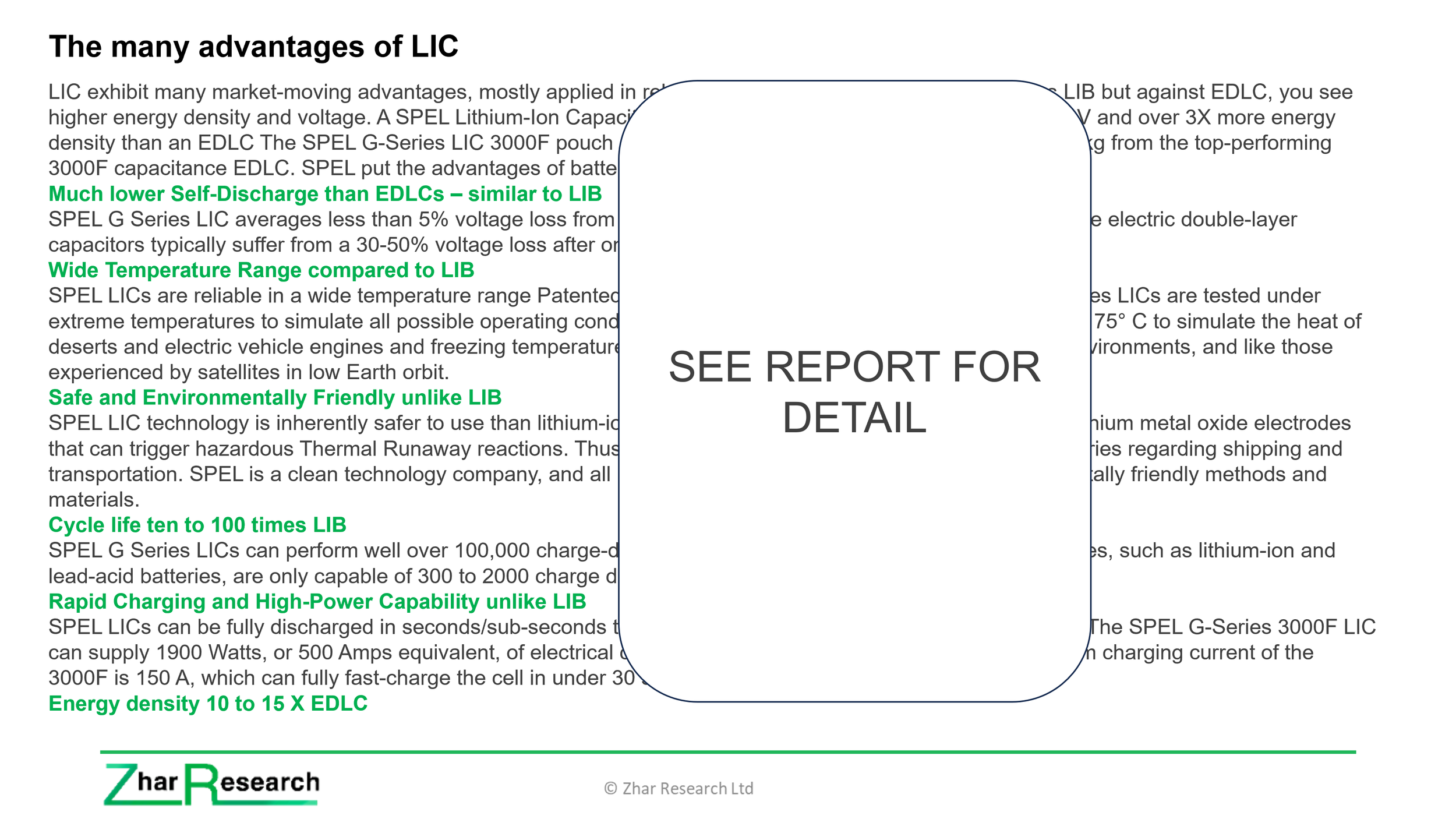
1.4.4 The many advantages of lithium-ion capacitors LIC and the energy density choices
1.5 12 Primary conclusions: BSH markets including LIC
1.6 Infogram: the most impactful market needs
1.7 Infogram: trends in relative commercial significance of BSH and pseudocapacitors
1.8 Some market propositions and uses of EDLC and BSH including LIC 2024-2044
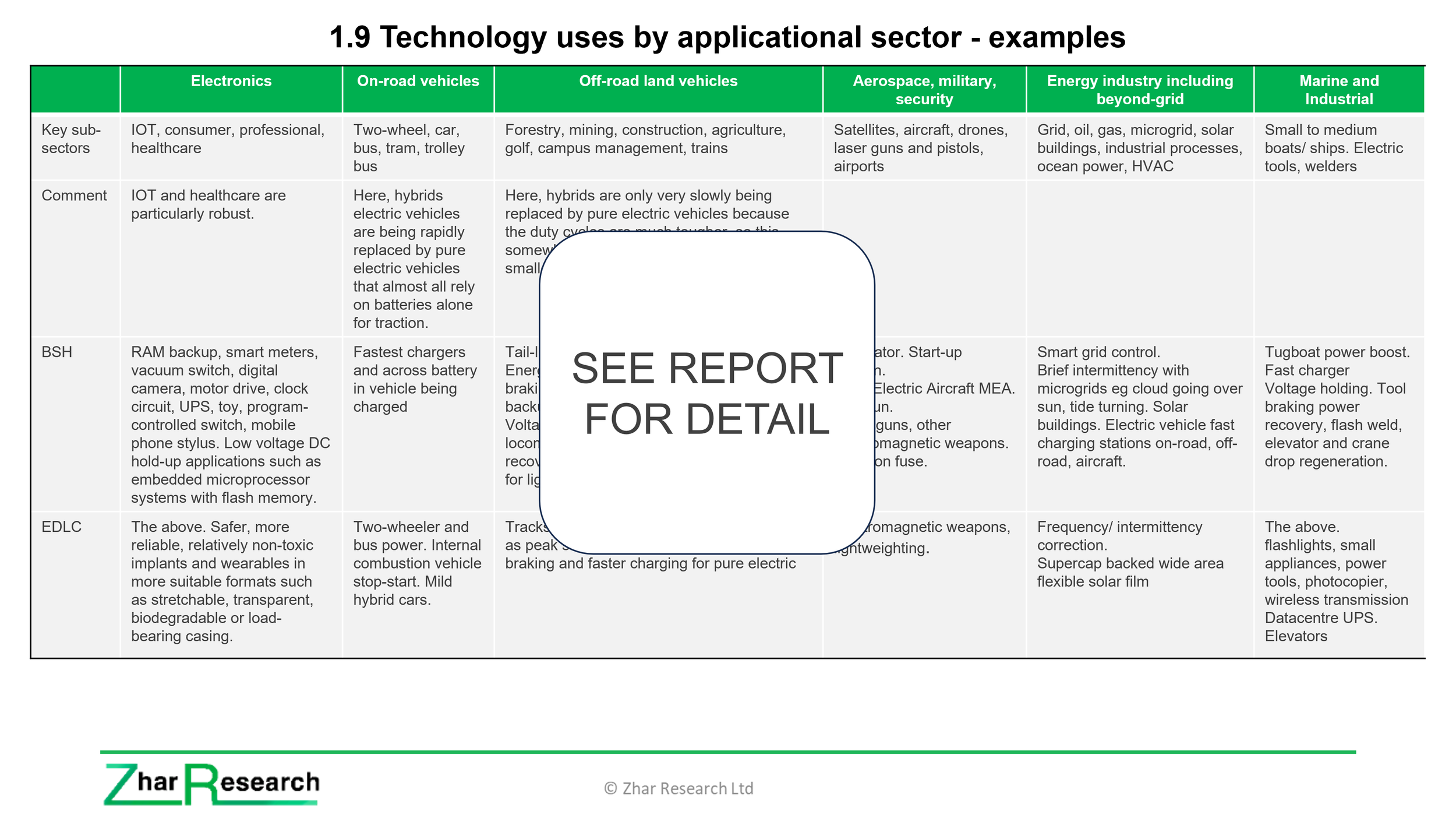
1.9 Technology uses by applicational sector – examples
1.10 Analysis of supply and potential of LIC and EDLC for large devices
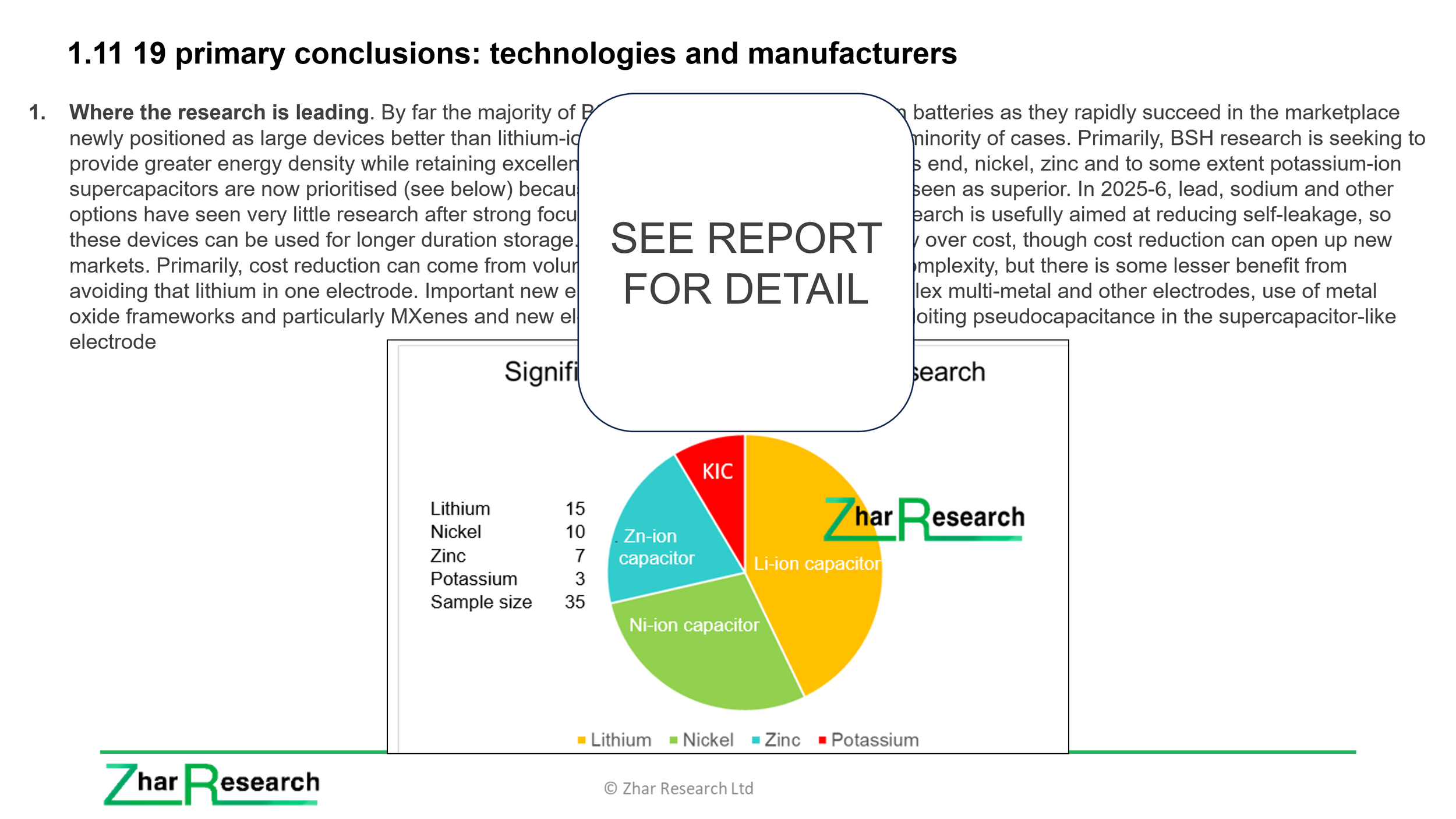
1.11 19 primary conclusions: technologies and manufacturers
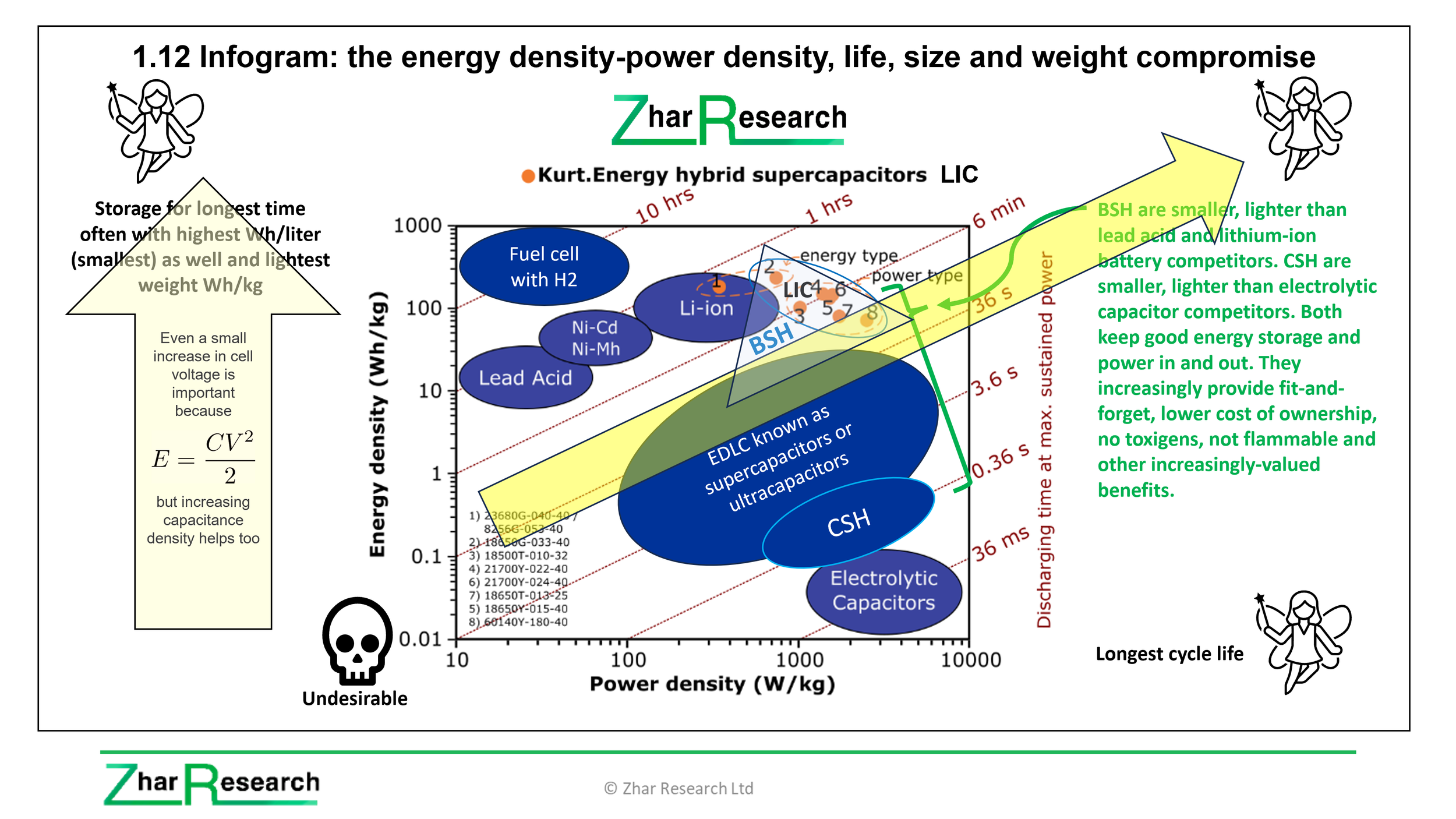
1.12 Infogram: the energy density-power density, life, size and weight compromise
1.13 How strategies for improving supercapacitors will benefit BSH including LIC
1.14 Prioritisation of active electrode-electrolyte pairings
1.15 Manufacturer preferences for the supercapacitor-like electrode of BSH in 2025
1.16 How research needs redirecting: 5 columns, 7 lines
1.17 BSH and EDLC research activity by country and technology 2024
1.18 SWOT appraisals and roadmap 2025-2045
1.18.1 SWOT appraisal of supercapacitors and BSH
1.18.2 SWOT appraisal of LIC and other BSH
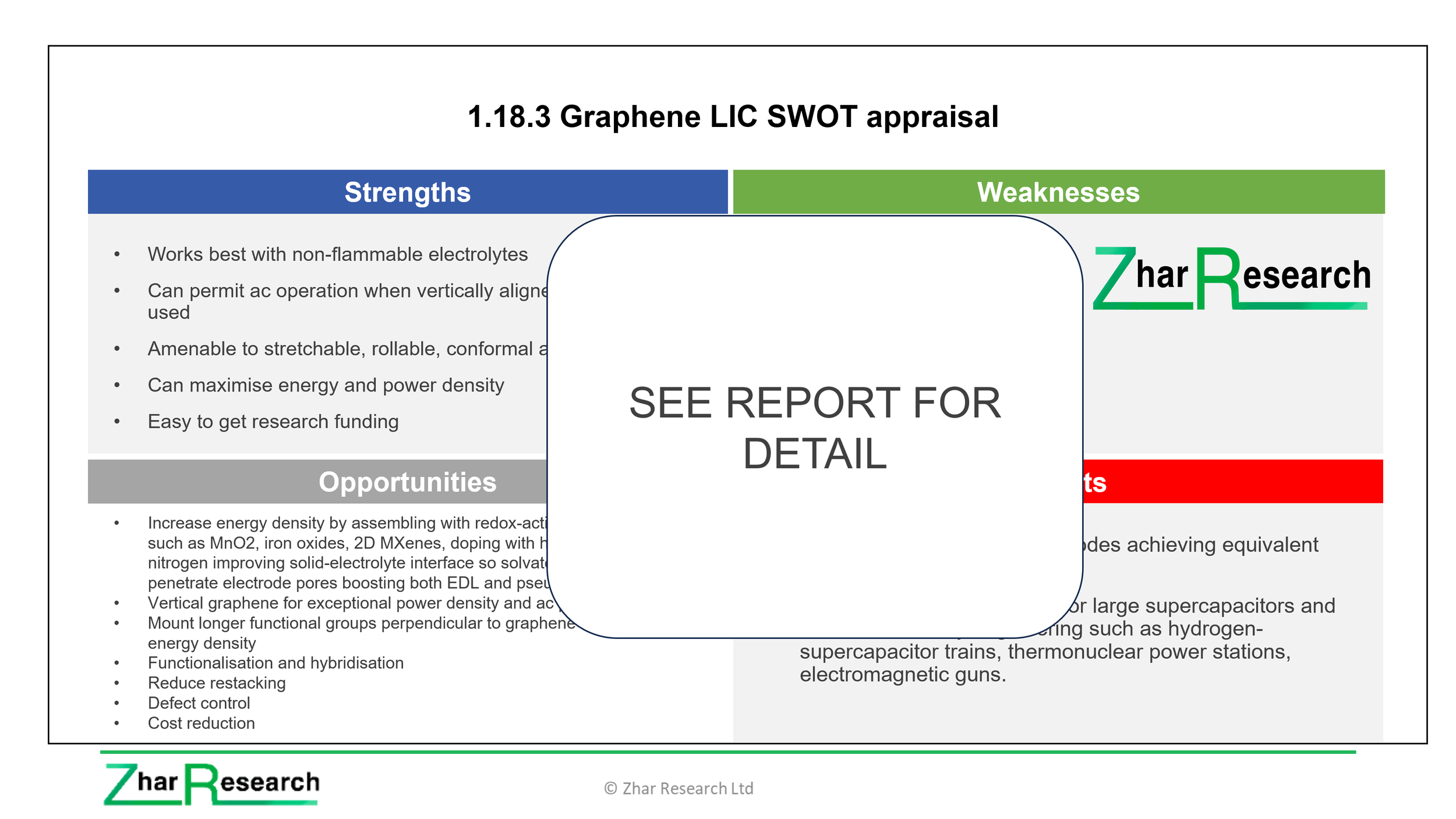
1.18.3 SWOT appraisal of graphene LIC
1.18.4 SWOT appraisal of batteryless storage technologies generally
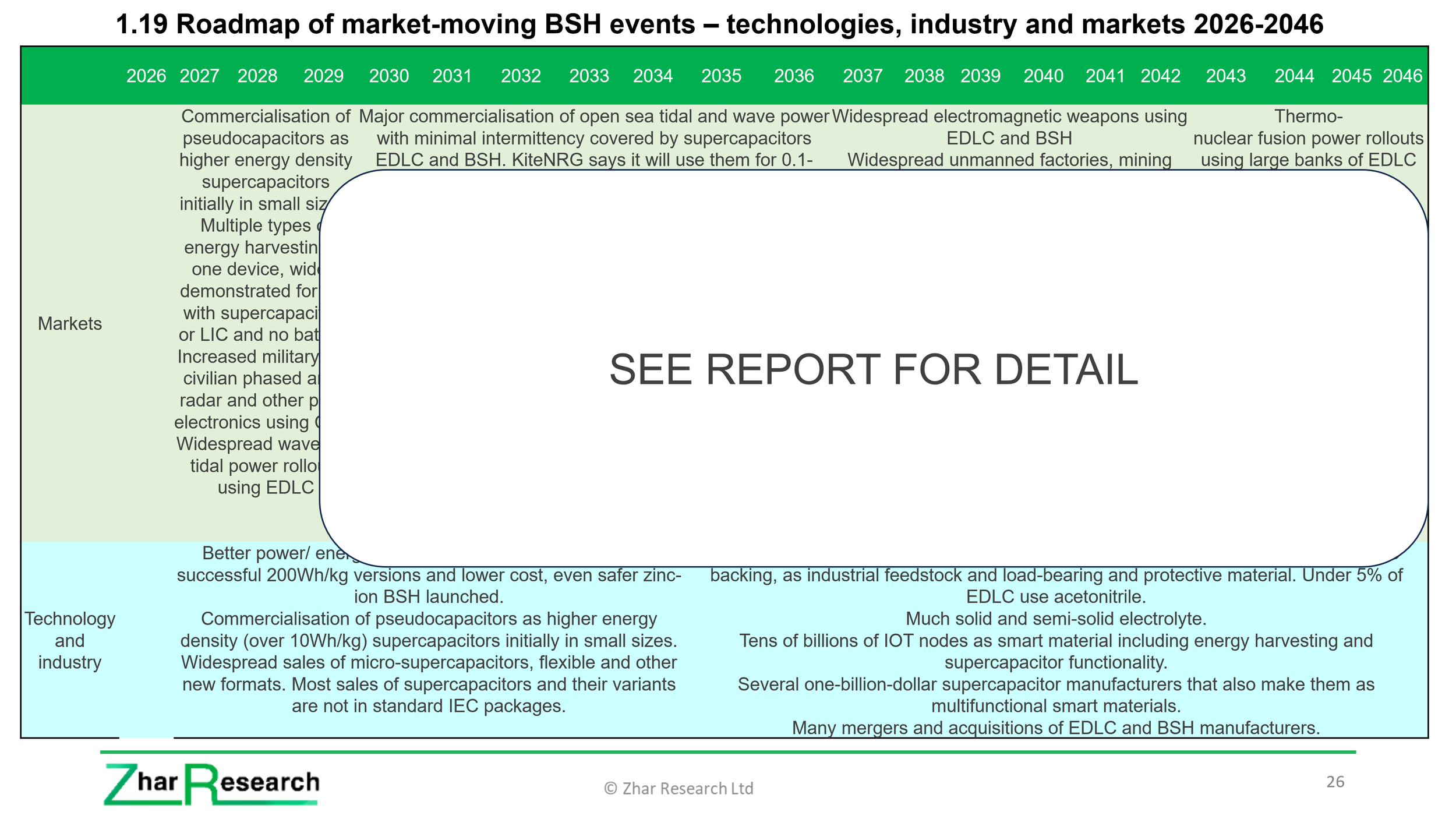
1.19 Roadmap of market-moving BSH events – technologies, industry and markets 2026-2046
1.20 Battery supercapacitor hybrids: forecasts by 30 lines 2025-2046
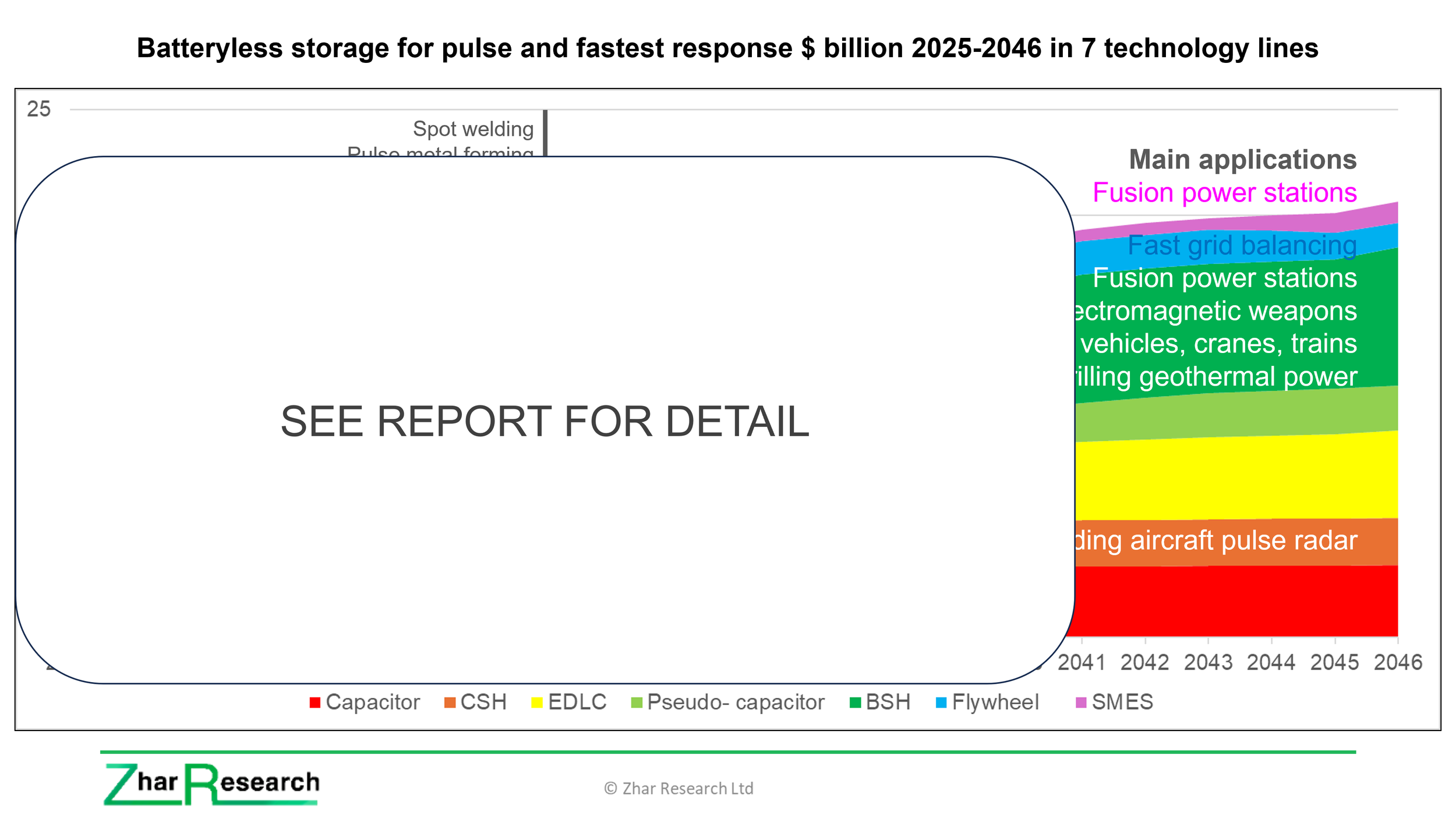
1.20.1 Competitors RFB beyond grid, EDLC, Pseudocapacitor and BSH $ billion 2025-2046
1.20.2 Battery supercapacitor hybrid storage BSH by type: BSH, Non-lithium, LIC, banks $ billion 2026-2046
1.20.3 Battery supercapacitor hybrids BSH value market percent by four regions 2026-2046
1.20.4 BSH value market percent by three performance categories 2026-2046
1.20.5 Battery supercapacitor hybrid BSH value market % by two Wh categories 2026-2046
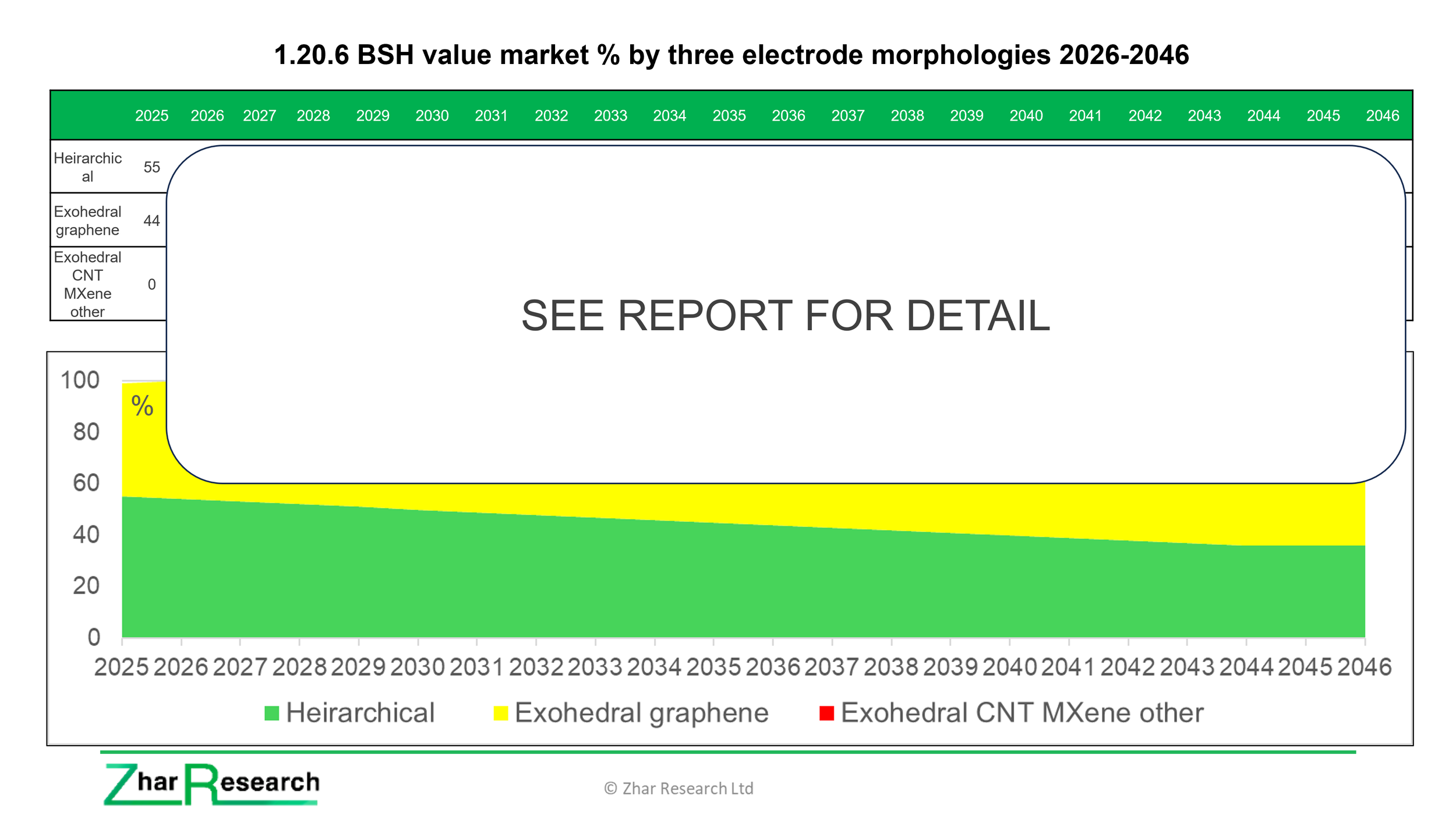
1.20.6 BSH value market % by three electrode morphologies 2026-2046
1.20.7 BSH product life years and life of equipment to which it is fitted years 2014-2046
1.20.8 Market for seven types of equipment fitting BSH $ billion 2026-2046
1.20.9 Energy storage device market battery vs batteryless $ billion 2026-2046
-
2.1 Energy storage toolkit
2.1.1 The basic options
2.1.2 How BSH will compete with other technologies
2.1.3 Electrochemical vs electrostatic storage
2.1.4 Examples of competition between capacitor, supercapacitor and battery technologies
2.1.5 Supercapacitors and BSH replacing batteries in ebikes
2.2 Energy storage market
2.2.1 Overview
2.2.2 Energy harvesting creates markets for BSH storage
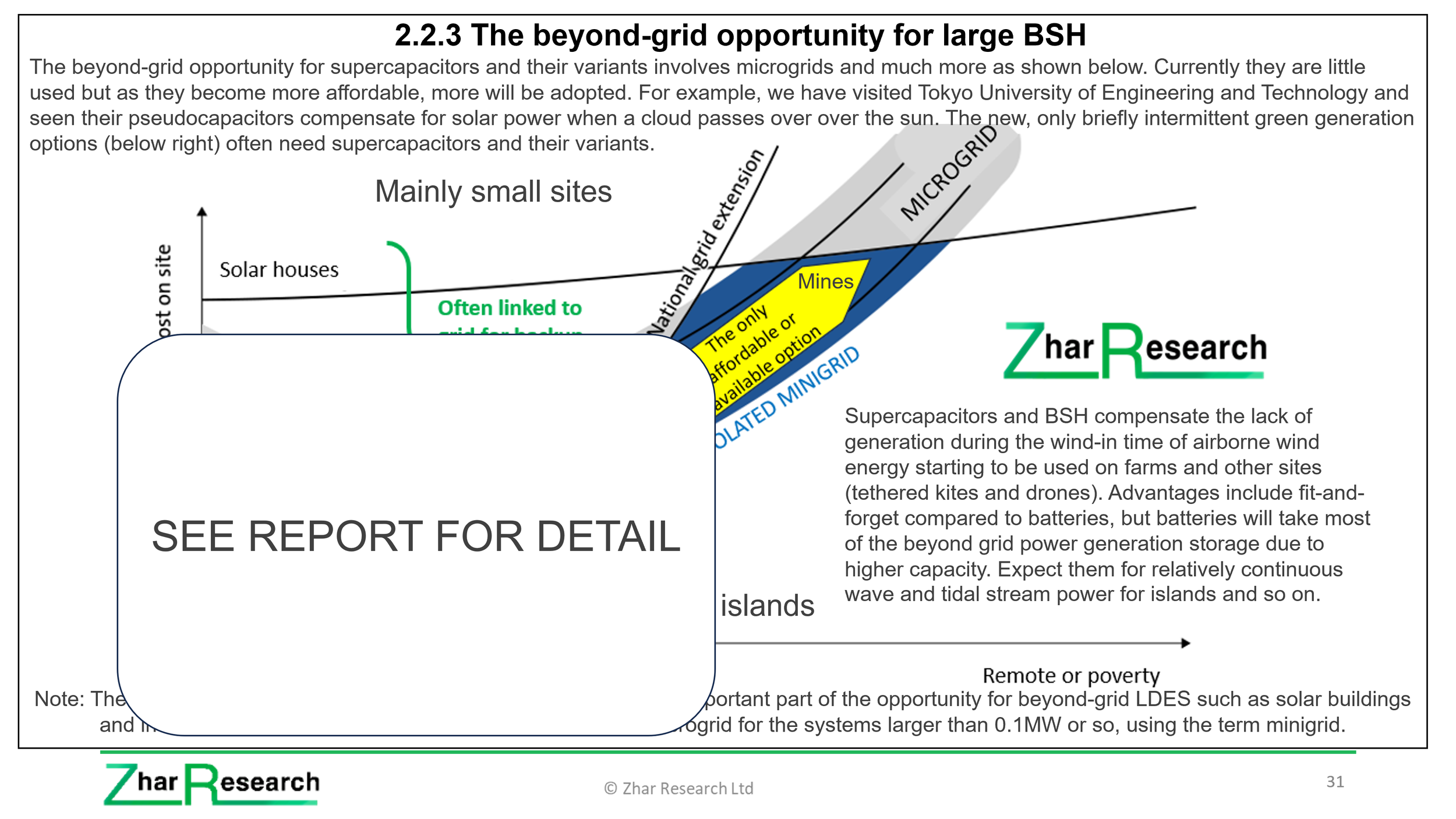
2.2.3 The beyond-grid opportunity for large BSH
2.2.4 Need for conventional BSH formats but also structural electrics and electronics
2.3 Introduction to technology optimisation and technology competition issues
2.3.1 Overview
2.3.2 BSH internal design compared to others
2.3.3 Hot topics include LIB and graphene
2.3.4 BSH voltage, charge retention and ageing issues compared to competition
2.3.5 BSH competitive position on energy density vs power density
2.3.6 Days storage vs rated power return MW for storage technologies
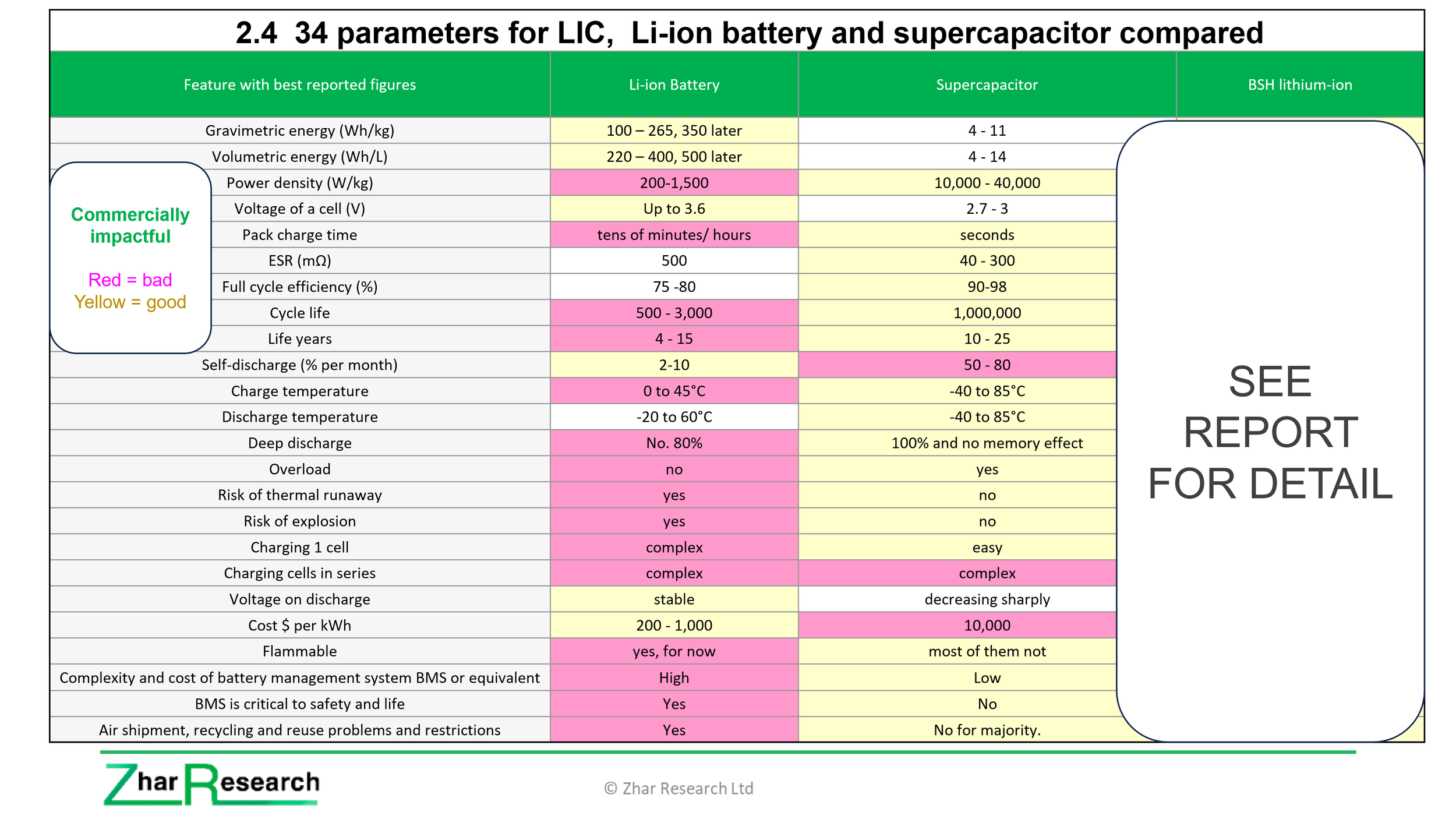
2.4 34 parameters for LIC, Li-ion battery and supercapacitor compared
2.5 LIC formats compared with adjacent technologies
2.6 Further reading
-
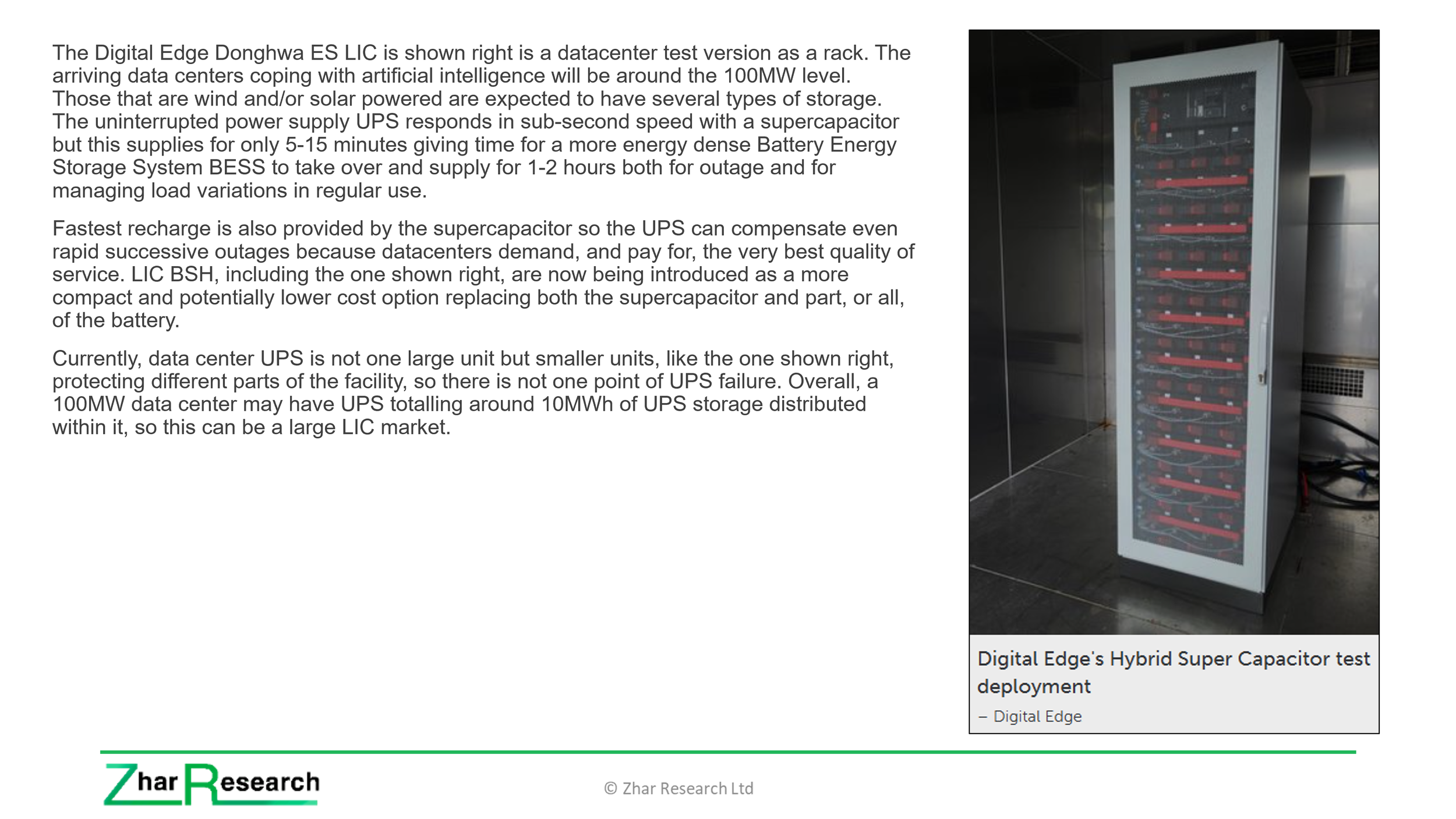
3.1 Overview and the datacenter UPS example
3.2 Design issues
3.2.1 Basic structure
3.2.2 Current applications to optimise
3.2.3 Future applications to optimise
3.2.4 Performance issues being addressed
3.2.5 Lithium-ion capacitor LIC market positioning by energy density spectrum
3.3 Analysis of research advances through 2025-6
3.4 Examples of patents
3.5 Further reading –Zhar Research report putting LIB in supercapacitor context
-
4.1 Overview
4.2 Lead ion capacitors: history, rationale , research
4.3 Nickel-ion capacitors: advances in 2025-6
4.4 Potassium-ion capacitors: advances in 2025-6
4.5 Sodium-ion capacitors: advances in 2025-6
4.5 Zinc-ion capacitors: advances in 2025-6
-
5.1 Overview
5.2 Rationale
5.3 Research pipeline
5.3.1 Zeolite Ionic Frameworks for BSH
5.3.2 MXene and MOFs composites for BSH: advances through 2025-6
5.3.3 Metal alloys, manganese compounds, other options in BSH
5.4 Further reading 2025-6
-
6.1 Overview
6.2 Factors influencing key supercapacitor parameters driving sales
6.3 Materials choices in general
6.4 Strategies for improving supercapacitors
6.4.1 General
6.4.2 Prioritisation of active electrode-electrolyte pairings
6.5 Significance of graphene in supercapacitors and variants
6.5.1 Overview
6.5.2 Graphene supercapacitor SWOT appraisal
6.5.3 Vertically-aligned graphene for ac and improved cycle life
6.5.4 Frequency performance improvement with graphene
6.5.5 Graphene textile for supercapacitors and sensors
6.5.6 Eleven graphene supercapacitor material and device developers and manufacturers compared in five columns
6.6 Other 2D and allied materials for supercapacitors with examples of research
6.6.1 MOF and MXene and combinations are the focus
6.6.2 Tantalum carbide MXene hybrid as a biocompatible supercapacitor electrodes
6.6.3 CNT
6.7 Research on supercapacitor electrode materials and structures in 2024-6
6.8 Research on supercapacitor electrode materials and structures in 2023
6.9 Important examples from earlier
6.10 Electrolytes for supercapacitors and variants
6.10.1 General considerations
6.11 Electrolytes for supercapacitors and variants
6.11.1 General considerations including organic electrolytes
6.11.2 Supercapacitor electrolyte choices
6.11.3 Focus on aqueous supercapacitor electrolytes
6.11.4 Ionic liquid electrolytes in supercapacitor research
6.11.5 Focus on solid state, semi-solid-state and flexible electrolytes
6.11.6 Hydrogels as electrolytes for semi-solid supercapacitors
6.11.7 Supercapacitor concrete and bricks
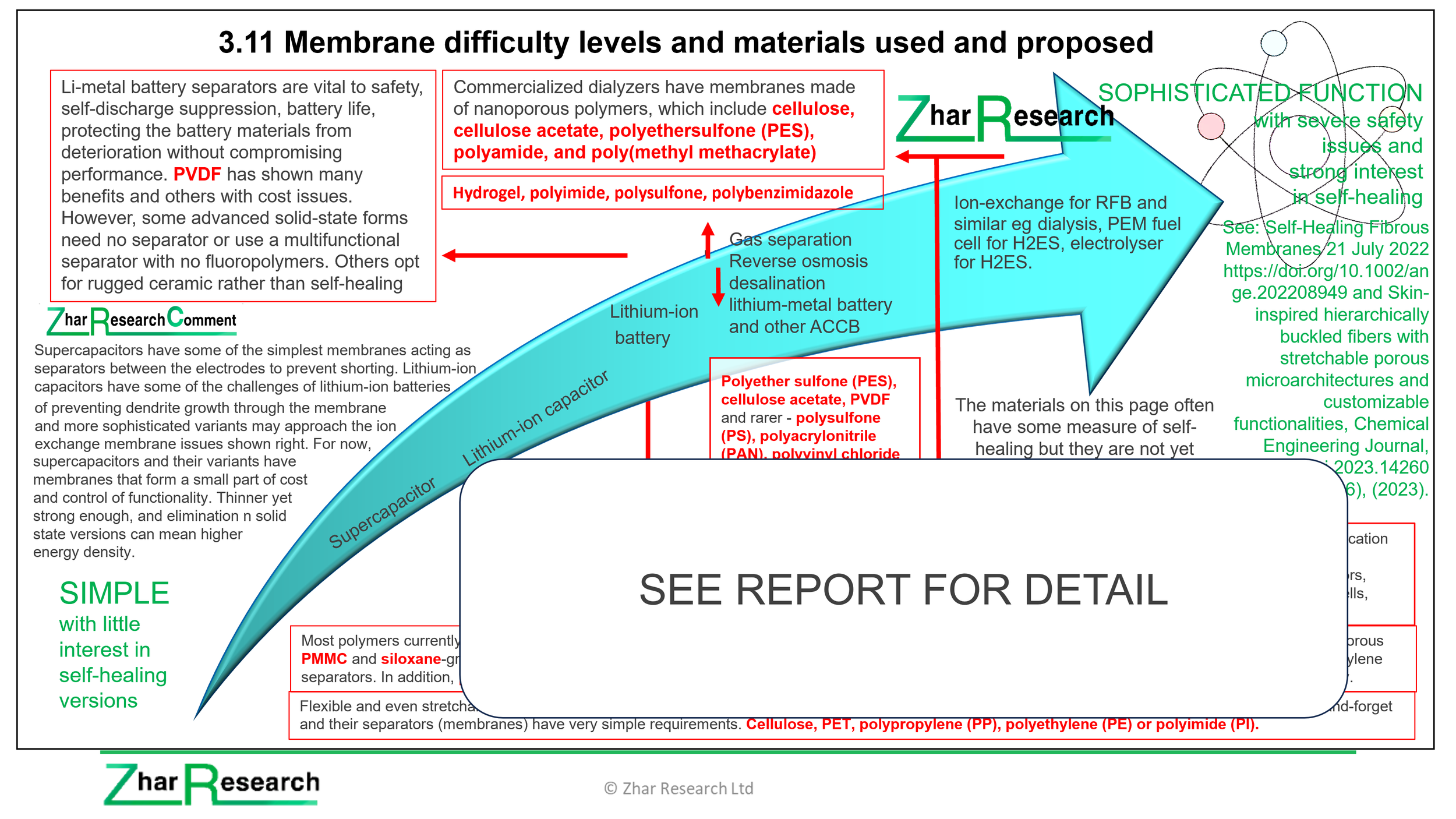
6.12 Membrane difficulty levels and materials used and proposed
6.13 Reducing self-discharge: great need, little research
-
7.1 Implications for the market 2025-2045
7.2 Overview
7.3 Relative commercial significance of supercapacitor variants 2025-2045
7.4 Market propositions of the most-promising supercapacitor families 2025-2045
7.5 Mismatch between market potential and sizes made
7.6 Analysis of supply and potential for large devices
7.6.1 Overview
7.6.2 Largest lithium-ion capacitors offered by manufacturer with parameters and uses
7.6.3 Markets for the largest BSH
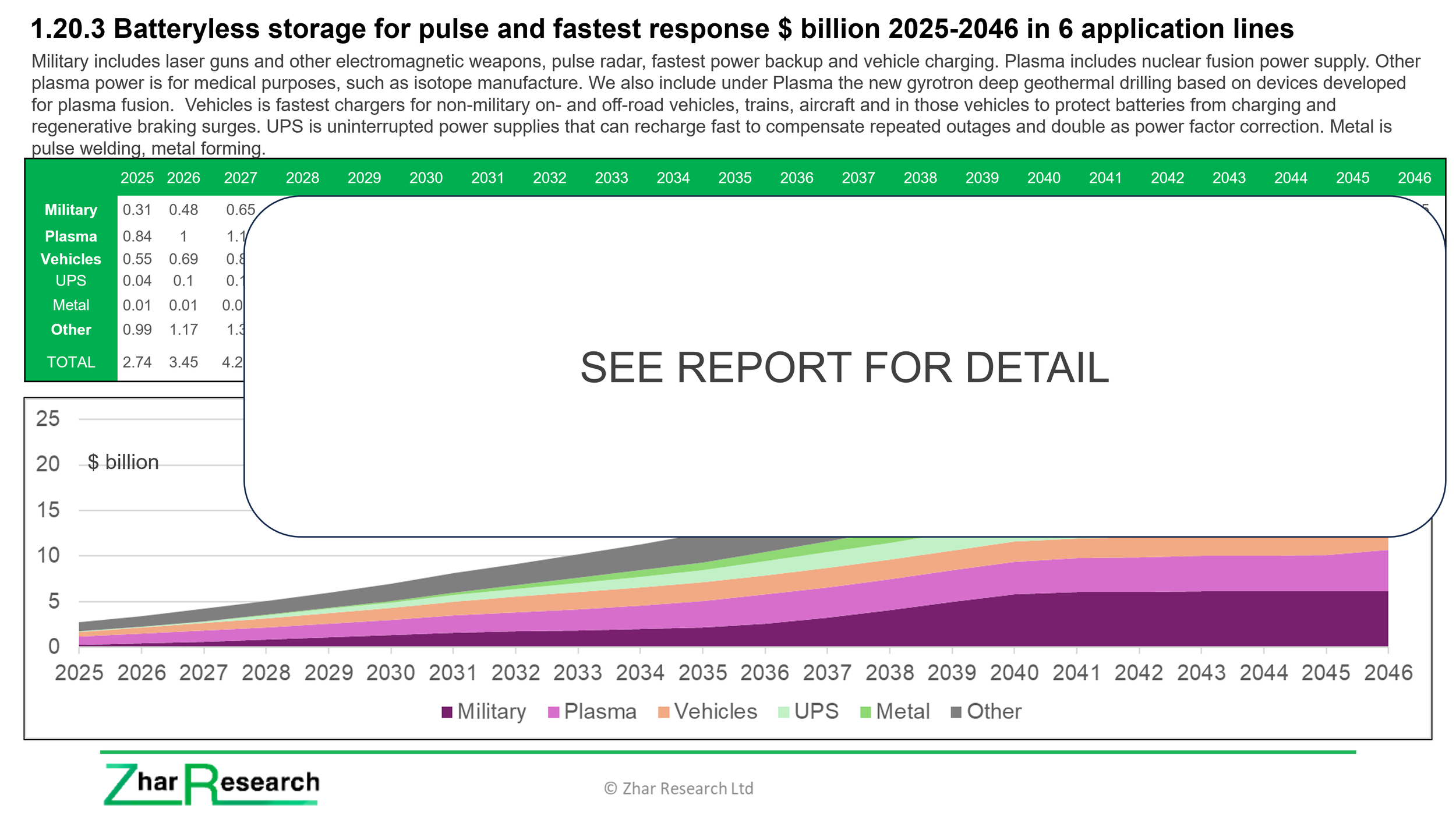
7.6.4 Market analysis for the six most important applicational sectors
-
8.1 Overview: poor, modest and strong prospects 2024-2044
8.2 Thermonuclear power
8.2.1 Overview
8.3.2 Applications of supercapacitors in fusion research
8.3.3 Other thermonuclear supercapacitors
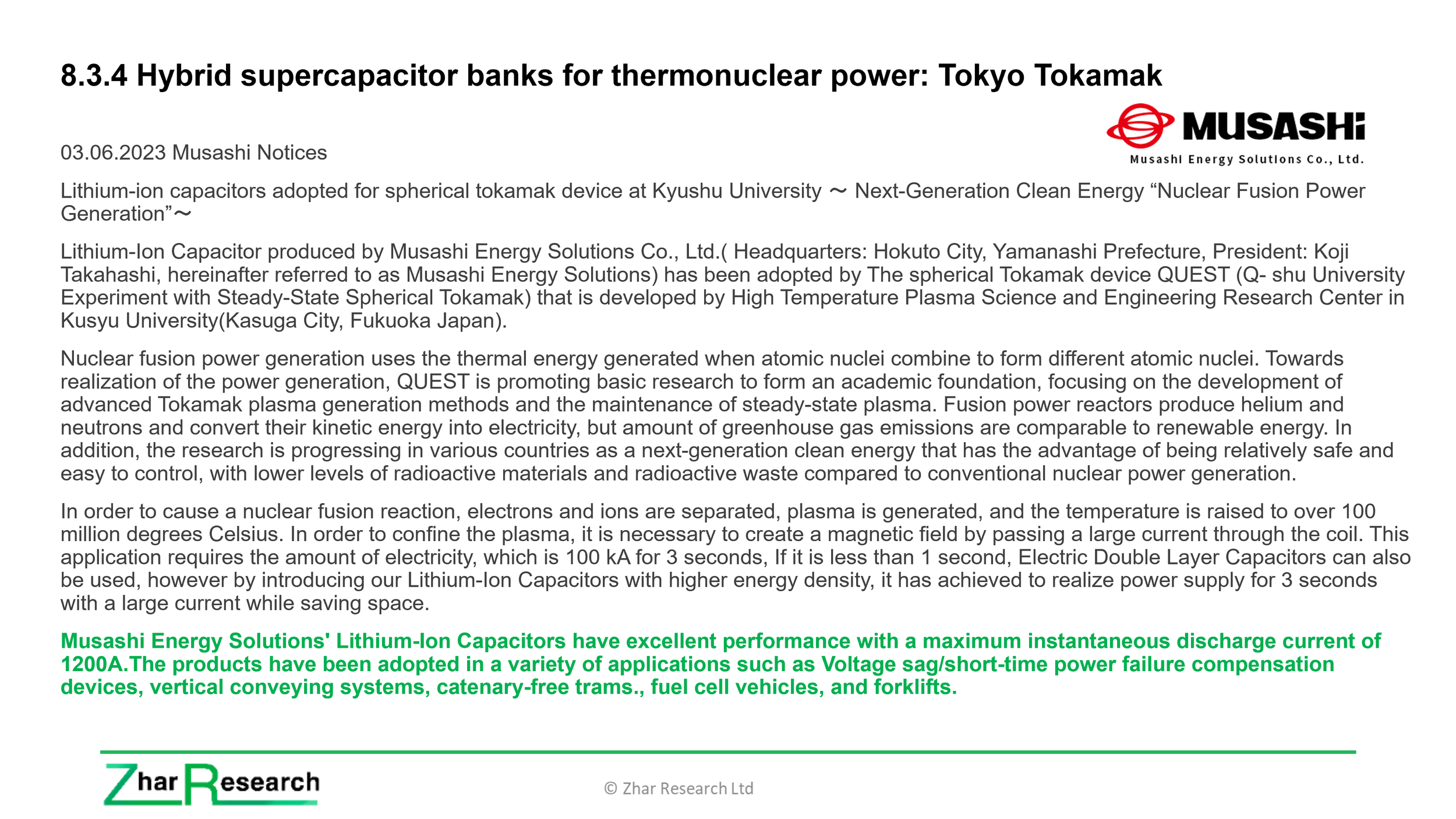
8.3.4 Hybrid supercapacitor banks for thermonuclear power: Tokyo Tokamak
8.3.5 Helion USA supercapacitor bank
8.3.6 First Light UK supercapacitor bank
8.3 Less-intermittent grid electricity generation: wave, tidal stream, elevated wind
8.3.1 Supercapacitors in utility energy storage for grids and large UPS
8.3.2 5MW grid measurement supercapacitor
8.3.3 Tidal stream power applications
8.3.4 Wave power applications
8.3.5 Airborne Wind Energy AWE applications
8.3.6 Taller wind turbines tapping less-intermittent wind: protection, smoothing
8.4 Beyond-grid supercapacitors: large emerging opportunity
8.4.1 Overview
8.4.2 Beyond-grid buildings, industrial processes, minigrids, microgrids, other
8.4.3 Beyond-grid electricity production and management
8.4.4 The off-grid megatrend
8.4.5 The solar megatrend
8.4.6 Hydrogen-supercapacitor rural microgrid Tapah, Malaysia
8.4.7 Supercapacitors in other microgrids, solar buildings
8.4.8 Fast charging of electric vehicles including buses and autonomous shuttles
8.5 Hydro power
-
9.1 Overview of supercapacitor use in land transport
9.2 On-road applications face decline but off-road vibrant
9.3 How the value market for supercapacitors and their variants in land vehicles will move from largely on-road to largely off-road
9.4 Emerging vehicle and allied designs with large supercapacitors
9.4.1 Industrial vehicles: Rutronik HESS
9.4.2 Heavy duty powertrains and active suspension
9.5 Tram and trolleybus regeneration and coping with gaps in catenary
9.6 Material handling (intralogistics) supercapacitors
9.7 Mining and quarrying uses for large supercapacitors
9.7.1 Overview and future open pit mine and quarry
9.7.2 Mining and quarrying vehicles go electric
9.7.3 Supercapacitors for electric mining and construction
9.8 Research relevant to large supercapacitors in vehicles
9.9 Large supercapacitors for trains and their trackside regeneration
9.9.1 Overview
9.9.2 Supercapacitor diesel hybrid and hydrogen trains
9.9.3 Supercapacitor regeneration for trains on-board and trackside
9.9.4 Research pipeline relevant to supercapacitors for trains
9.10 Marine use of large supercapacitors and the research pipeline
-
10.1 Overview
10.2 Substantial growing applications for small BSH and supercapacitors
10.3 BSH and supercapacitors in wearables, smart watches, smartphones, laptops and similar devices
10.3.1 General
10.3.2 Wearables needing BSH and supercapacitors
10.4 6G Communications: new BSH market from 2030
10.4.1 Overview with needs
10.4.2 New needs and 5G inadequacies
10.4.3 6G massive hardware deployment: proliferation but many compromises
10.4.4 Objectives of NTTDoCoMo, Huawei, Samsung and others
10.4.5 Progress from 1G-6G rollouts 1980-2044
10.4.6 6G underwater and underground
10.5 Asset tracking growth market
10.6 Battery support and back-up power supercapacitors
10.7 Hand-held terminals BSH and supercapacitors
10.8 Internet of Things nodes, wireless sensors and their energy harvesting modes with BSH and supercapacitors
10.8.1 Overview
10.8.2 Sensor inputs and outputs
10.8.3 Ten forms of energy harvesting for sensing and power for sensors
10.8.4 Supercapacitor transpiration electrokinetic harvesting for battery-free sensor power supply
10.9 Peak power for data transmission, locks, solenoid activation, e-ink update, LED flash
10.10 Smart meters
10.11 Spot welding
-
11.1 Overview
11.2 Military applications: electrodynamic and electromagnetic weapons now a strong focus
11.2.1 Overview: laser weapons, beam energy weapons, microwave weapons, electromagnetic guns
11.2.2 Electrodynamic weapons: coil and rail guns
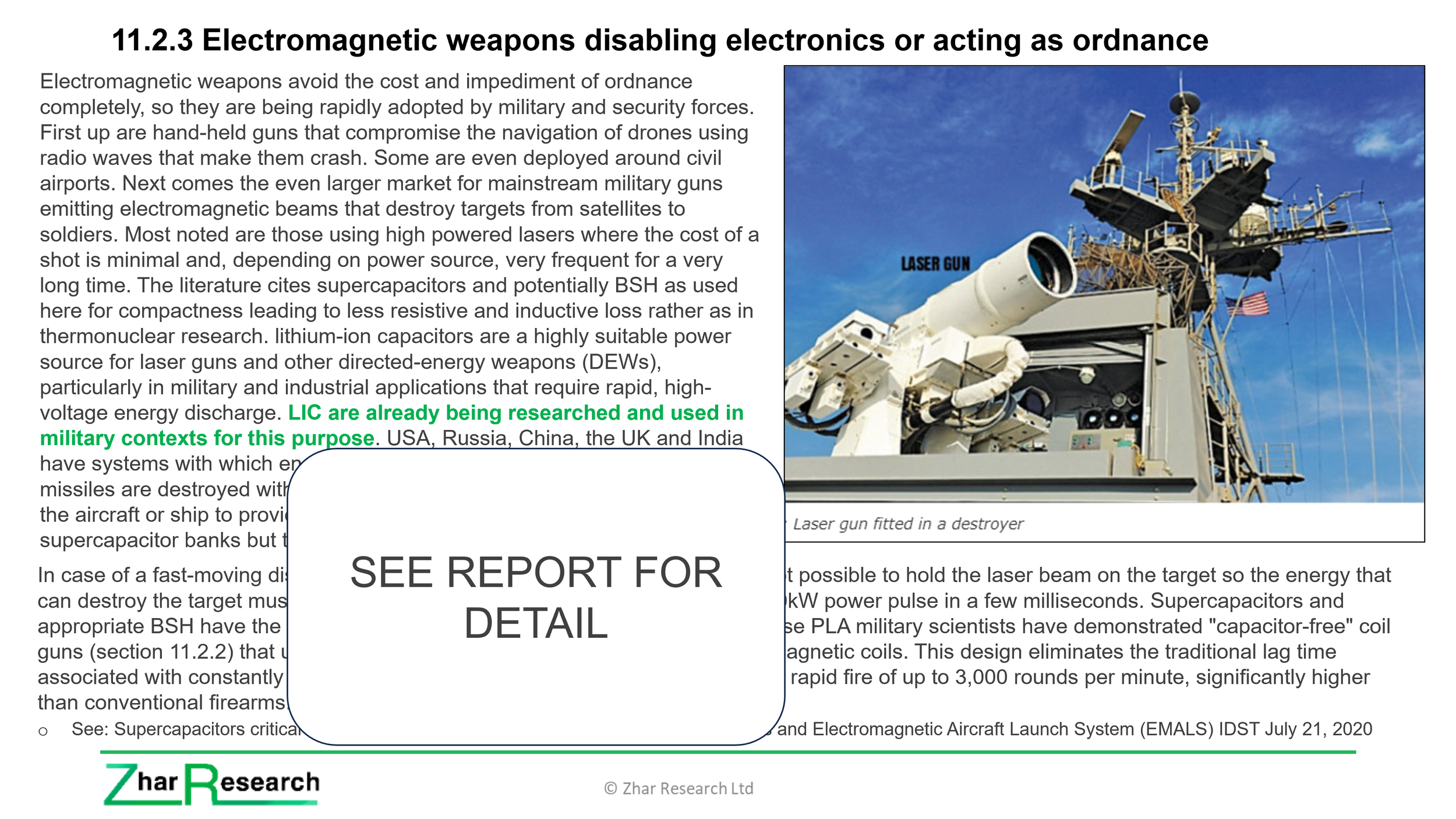
11.2.3 Electromagnetic weapons disabling electronics or acting as ordnance
11.2.4 Pulsed linear accelerator weapon
11.3 Military applications: unmanned aircraft, communication equipment, radar, plane, ship, tank, satellite, guided missile, munition ignition, electromagnetic armour
11.3.1 CSH sales increasing
11.3.2 Force Field protection
11.3.3 Supercapacitor- diesel hybrid heavy mobility army truck
11.3.4 17 other military applications now emerging
11.4 Aerospace: satellites, More Electric Aircraft MEA and other growth opportunities
11.4.1 Overview: supercapacitor numbers and variety increase
11.4.2 More Electric Aircraft MEA
11.4.3 Better capacitors sought for aircraft
-
12.1 Analysis of metrics from the comparison of 116 companies
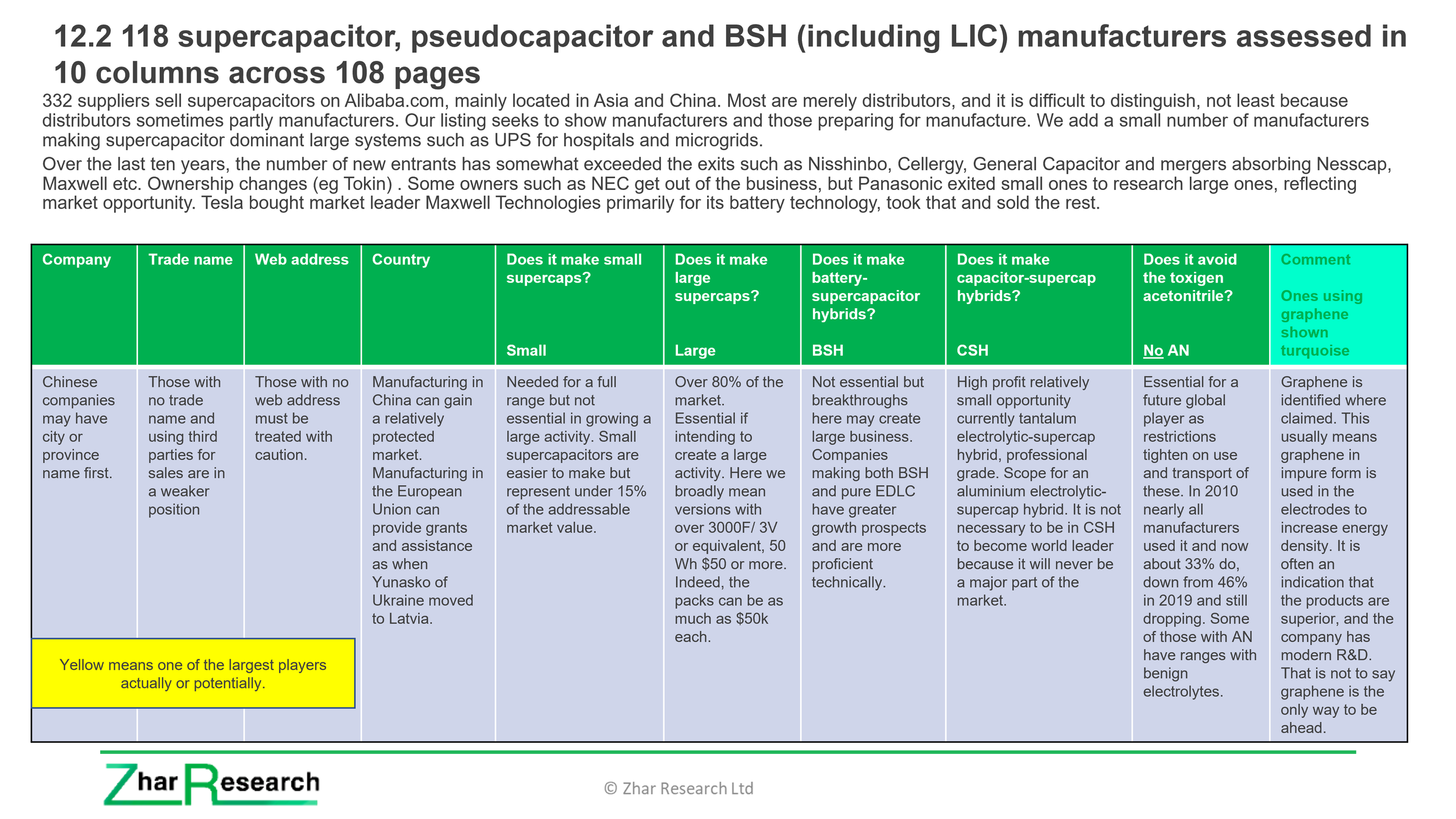
12.2 118 supercapacitor, pseudocapacitor and BSH (including LIC) manufacturers assessed in 10 columns across 108 pages
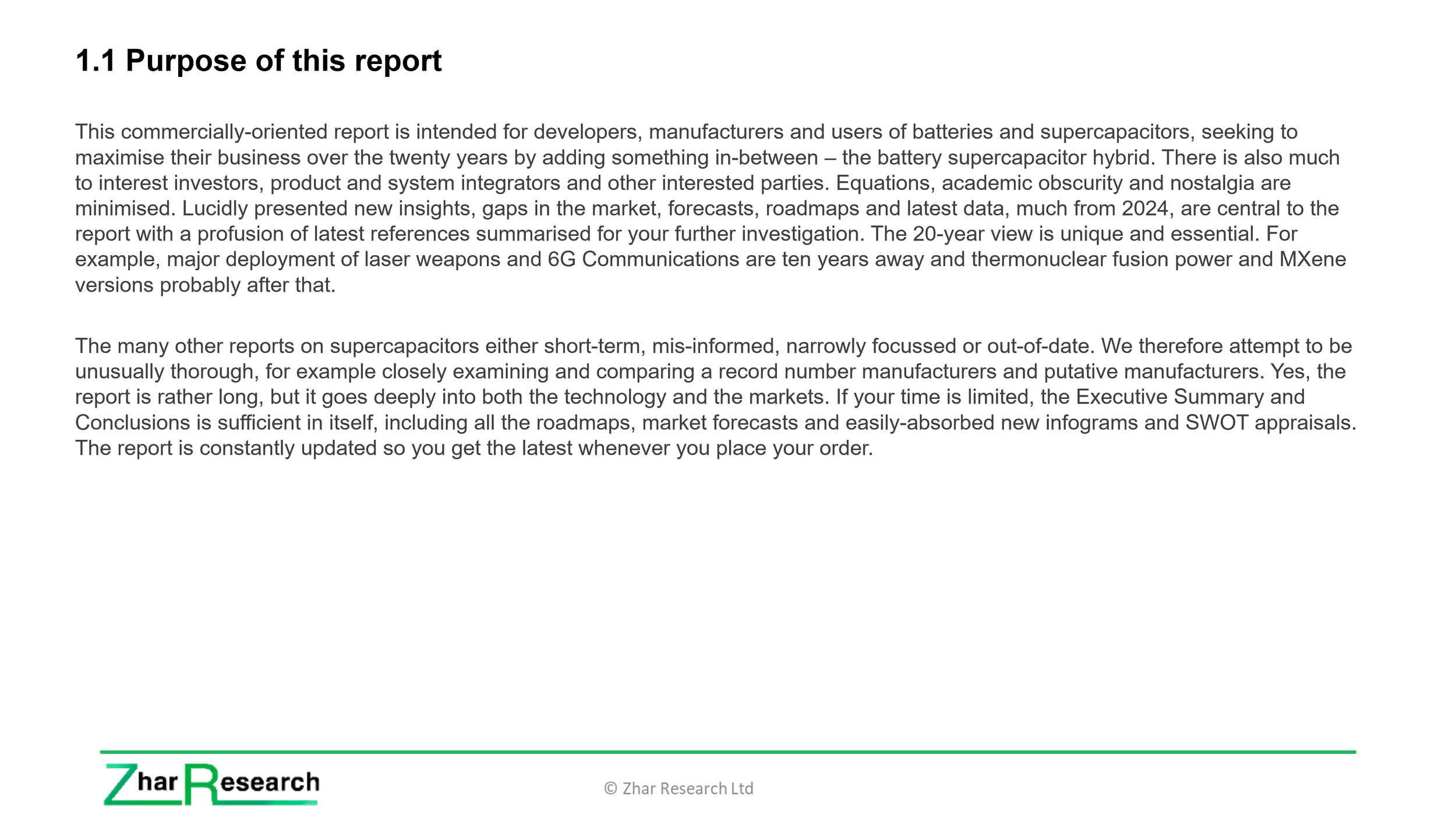
Emerging markets such as nuclear fusion power, electromagnetic weapons and fastest charging of electric vehicles need storage with the benefits of both supercapacitors and batteries. Enter the lithium-ion battery LIC and other battery supercapacitor hybrids, suitable for both backup-power (massive, yet ready again in an instant) and pulse-power applications where compact, maintenance-free, long-life, and safe-operation power sources are required. Established LIC uses include cranes, earthmoving, drilling and offshore rigs. They serve the burgeoning requirements for compact, lighter weight devices to accept and deliver huge pulses including regenerative braking of trains and of large tools such as rotating excavator arms and cranes dropping loads.
Market surges, applications and designs change radically
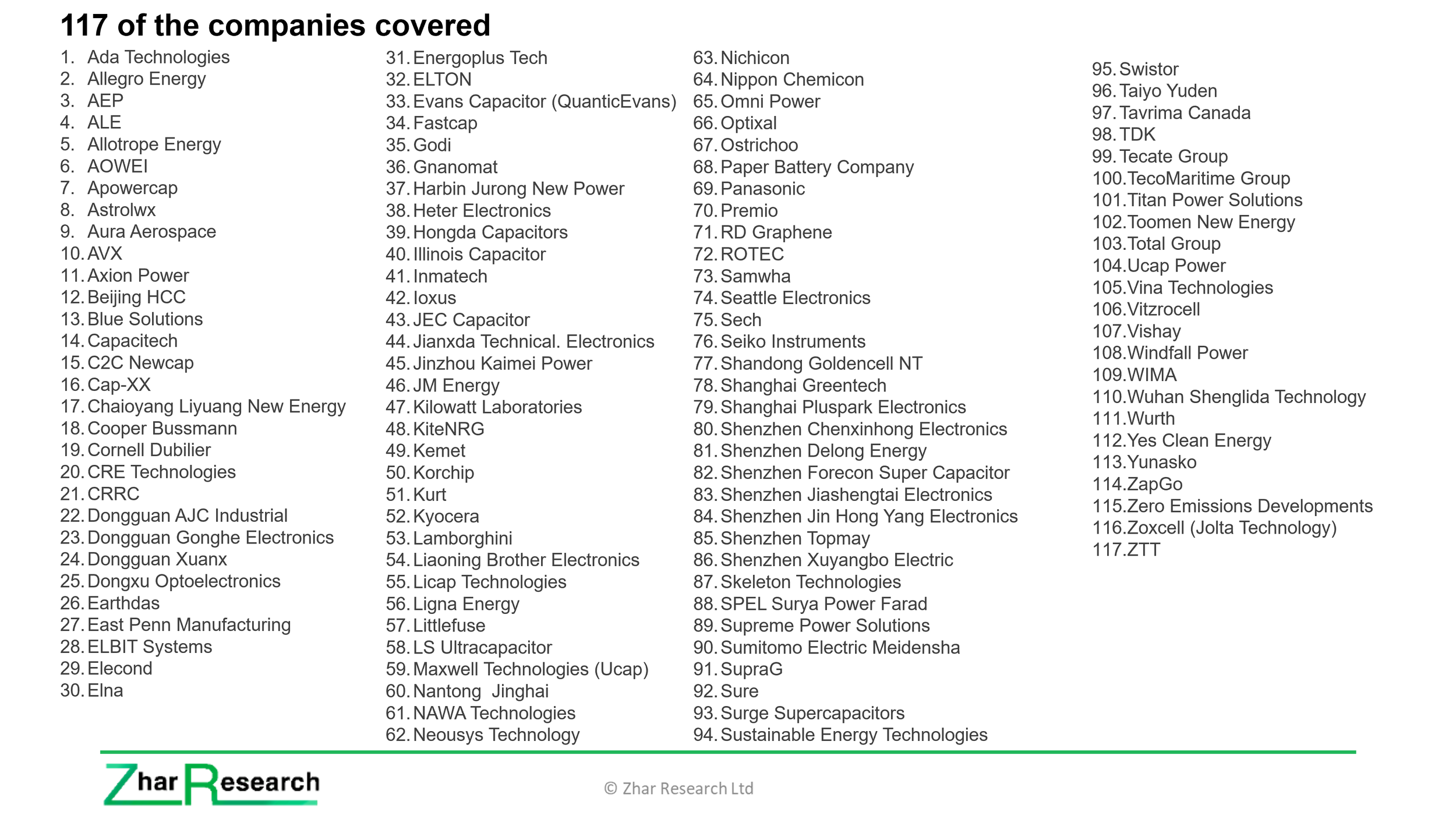
As the market surges, the applications and designs of BSH are changing radically. The new 514-page Zhar Research report, “Lithium-ion capacitors and other battery supercapacitor hybrids: markets, technology, 2026-2046” analyses and forecasts this large opportunity for you covering 117 companies and a flood of 2025-6 research advances.
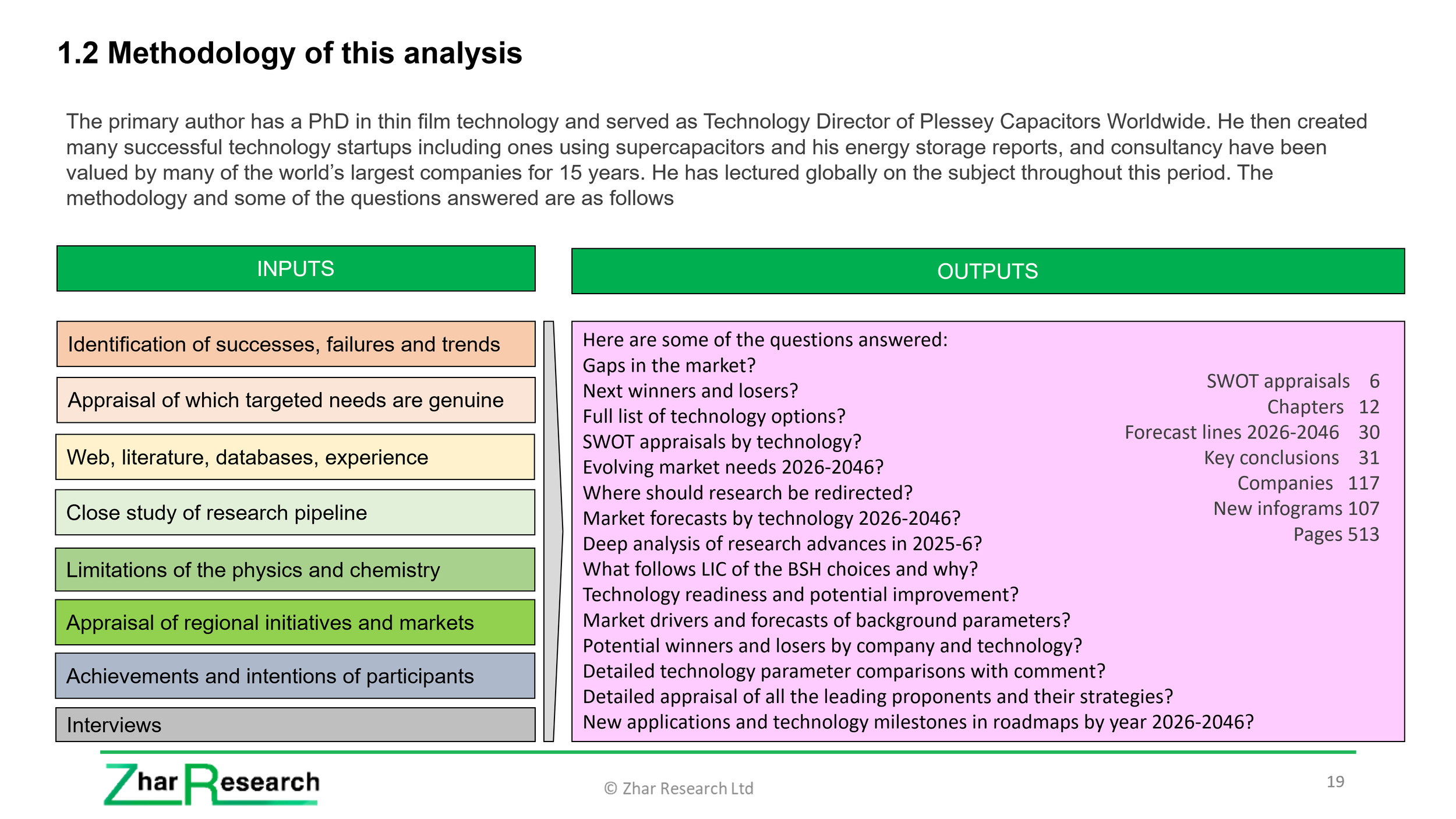
Dr Peter Harrop, CEO of Zhar Research says, “Understand the new needs, mainly in heavy engineering, but with much in electronics. We find that nickel-ion and zinc-ion BSH research advances are newly creating several improvements on LIC. In 2025-6, why so much interest in boosting pseudocapacitance and employing complex multi-element compounds including metal oxide frameworks and MXenes? Why is graphene increasingly used? These questions are answered. Clearly, there are large opportunities for your added-value materials emerging.”
Increasingly compelling
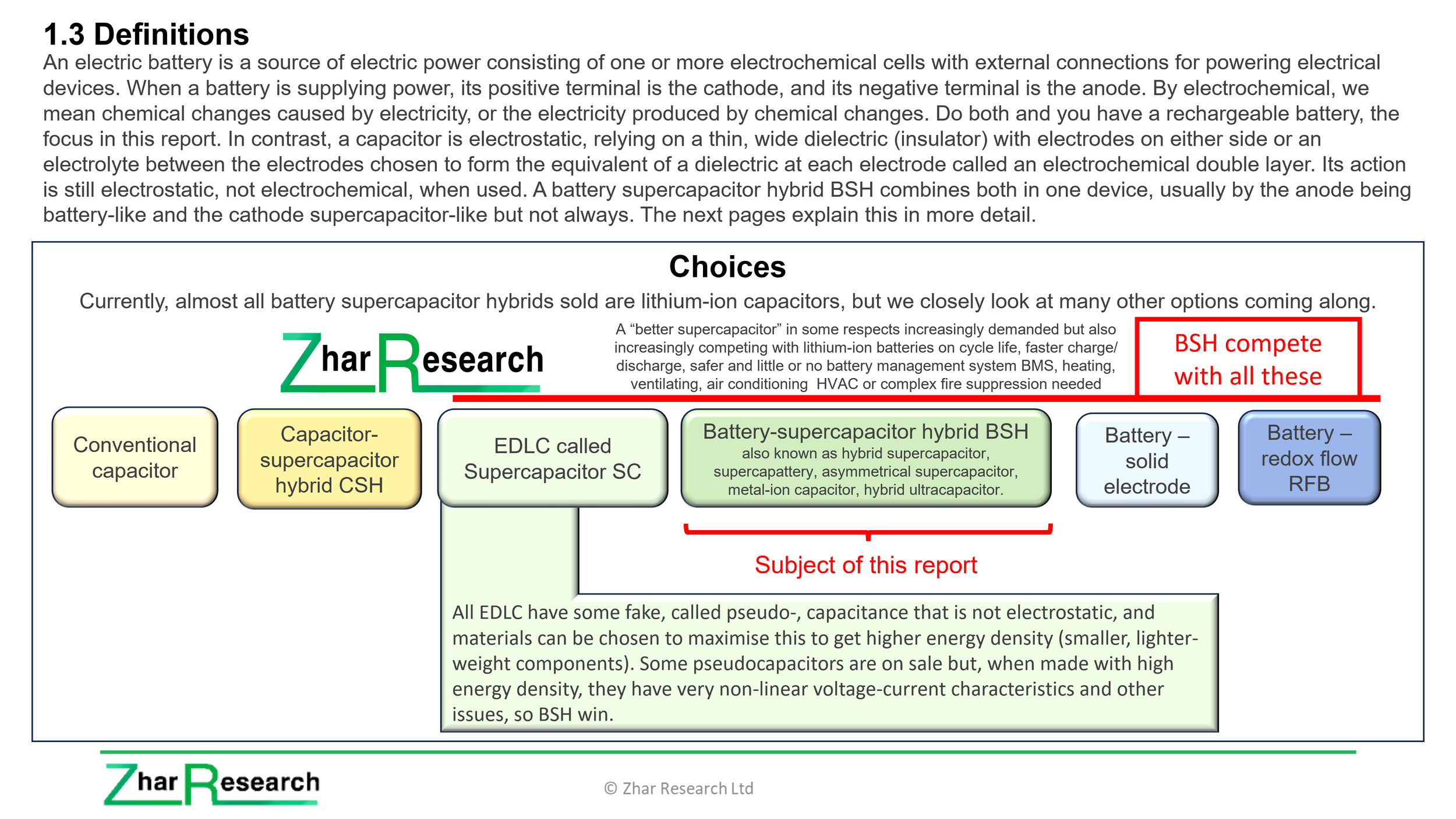
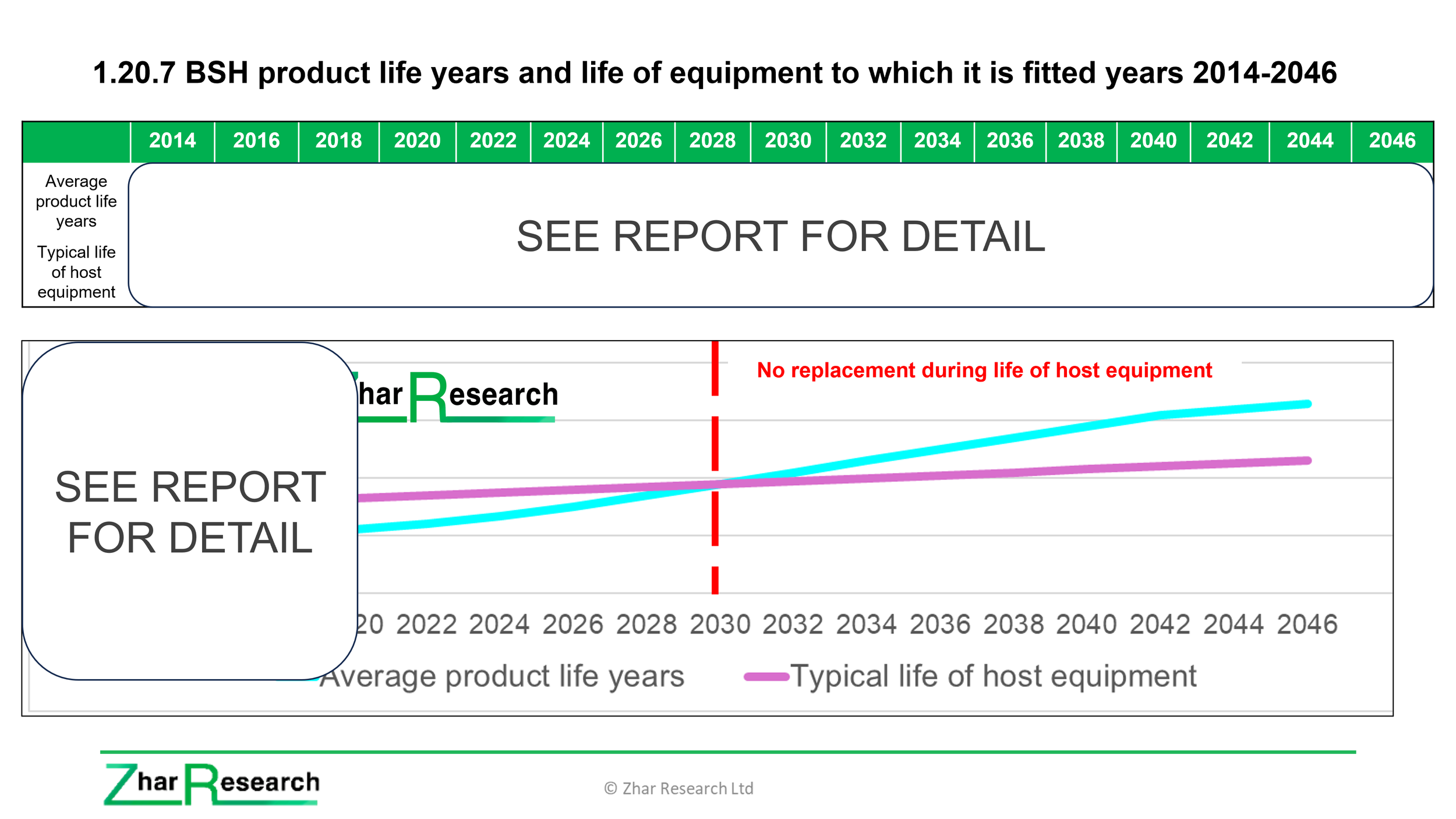
Increasingly, BSH being the best of both worlds, with cycle life longer than the equipment to which it is fitted, little or no need for fire control and complex battery management systems, minimal disposal issues and best tolerance of temperature.
Uniquely up-to-date, comprehensive report
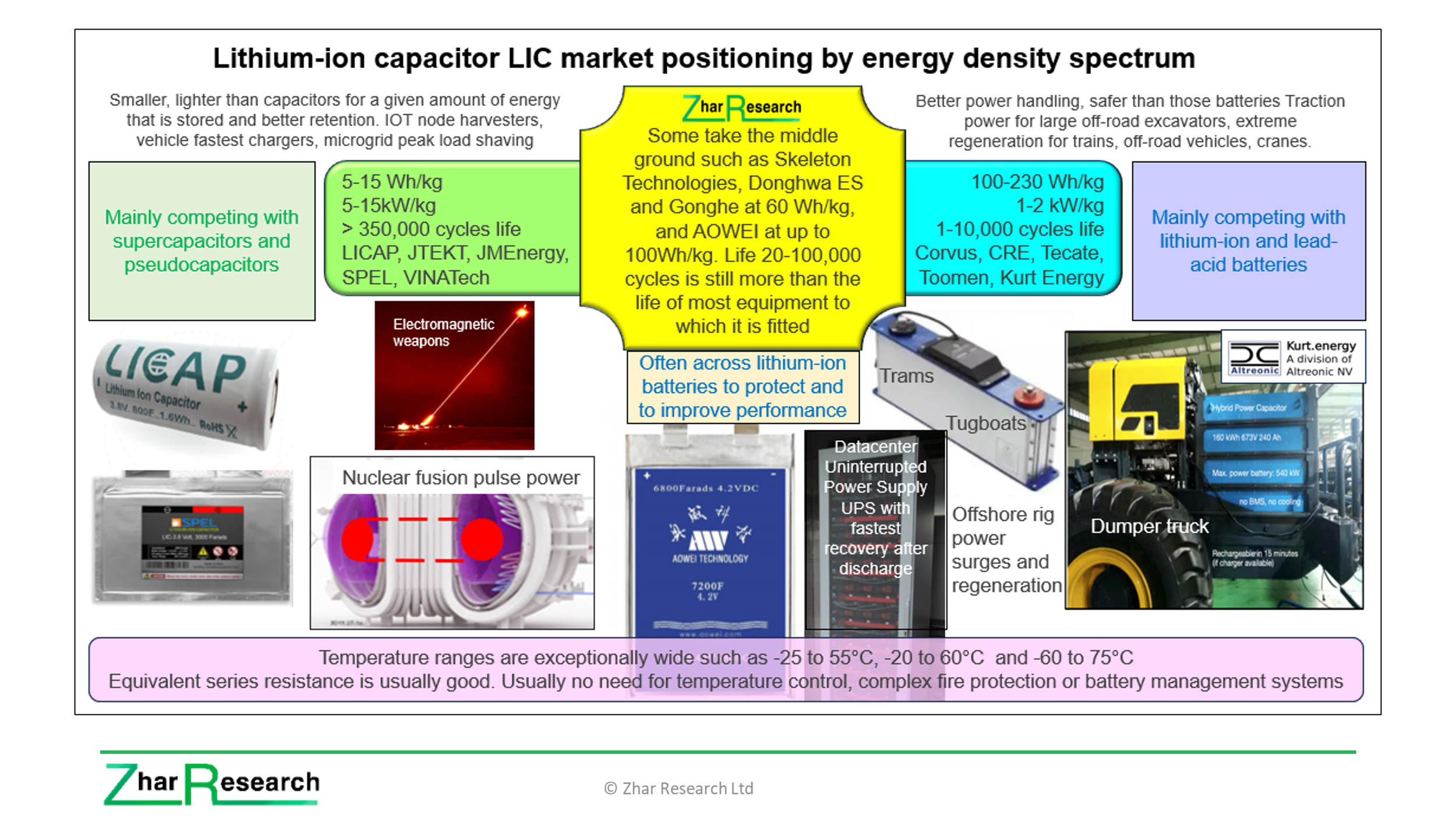
The “Executive summary and conclusions” is sufficient for those with limited time. It has basics, 12 market key conclusions and 19 on technology. See many infograms, the main SWOT appraisals, 2026-2046 roadmaps and the forecasts in 30 lines. Chapter 2 takes 27 pages to introduce “Battery supercapacitor hybrids BSH: introduction to need, toolkit and manufacture”. Then comes the detail with 30 pages of Chapter 3. “Future lithium-ion capacitor design and competitive position”. Here are design issues, basic structure, current and future applications to optimise, performance issues being addressed. See the lithium-ion capacitor LIC market positioning by energy density spectrum including examples of positioning of manufacturers here. There is analysis of research advances through 2025-6. These are very different from earlier work.
The next chapters cover the increasingly complex chemistries as the industry moves to a greater level of optimisation mostly seeking higher energy density for given power density, pulse performance etc. and long life but sometimes improving charge retention. Chapter 4. “Other emerging chemistries for battery-supercapacitor hybrid storage” takes 41 pages to move beyond the current winner lithium-ion capacitors to lead-ion and sodium-ion capacitors receiving less research attention but strong advances ongoing with potassium, nickel and zinc options.
The 24 pages of Chapter 5. “Other emerging chemistries for battery-supercapacitor hybrid storage” then add another level of sophistication including the place of new advances with zeolites, metal oxide frameworks and particularly MXenes and graphene in BSH. Metal alloys, manganese compounds and other options are covered by explaining much new research and targets 2026-2046. You should then be ready for the 50 pages of Chapter 6. “Emerging materials employed with research pipeline analysis”. This covers such aspects as lessons from advances in supercapacitors, and the membranes and other options for BSH, including matching electrolytes to electrodes and the incoming solid state, semi-solid-state and flexible electrolytes.
Chapters 7-11 provide a close look at markets emerging, the report closing with a detailed comparison of what each manufacturer has to offer. Chapter 7. “Emerging BSH markets : basic trends and best prospects compared between energy, vehicles, aerospace, military, electronics, other” (49 pages) is followed by Chapter 8. “Energy sector emerging BSH markets” (48 pages) then Chapter 9. “Emerging land vehicle and marine applications: automotive, bus, truck train, off-road construction, agriculture, mining, forestry, material handling, boats, ships” (50 pages) and Chapter 10. “Emerging applications in 6G Communications, electronics and small electrics” (48 pages) then Chapter 11 “Emerging military and aerospace applications” is 29 pages.
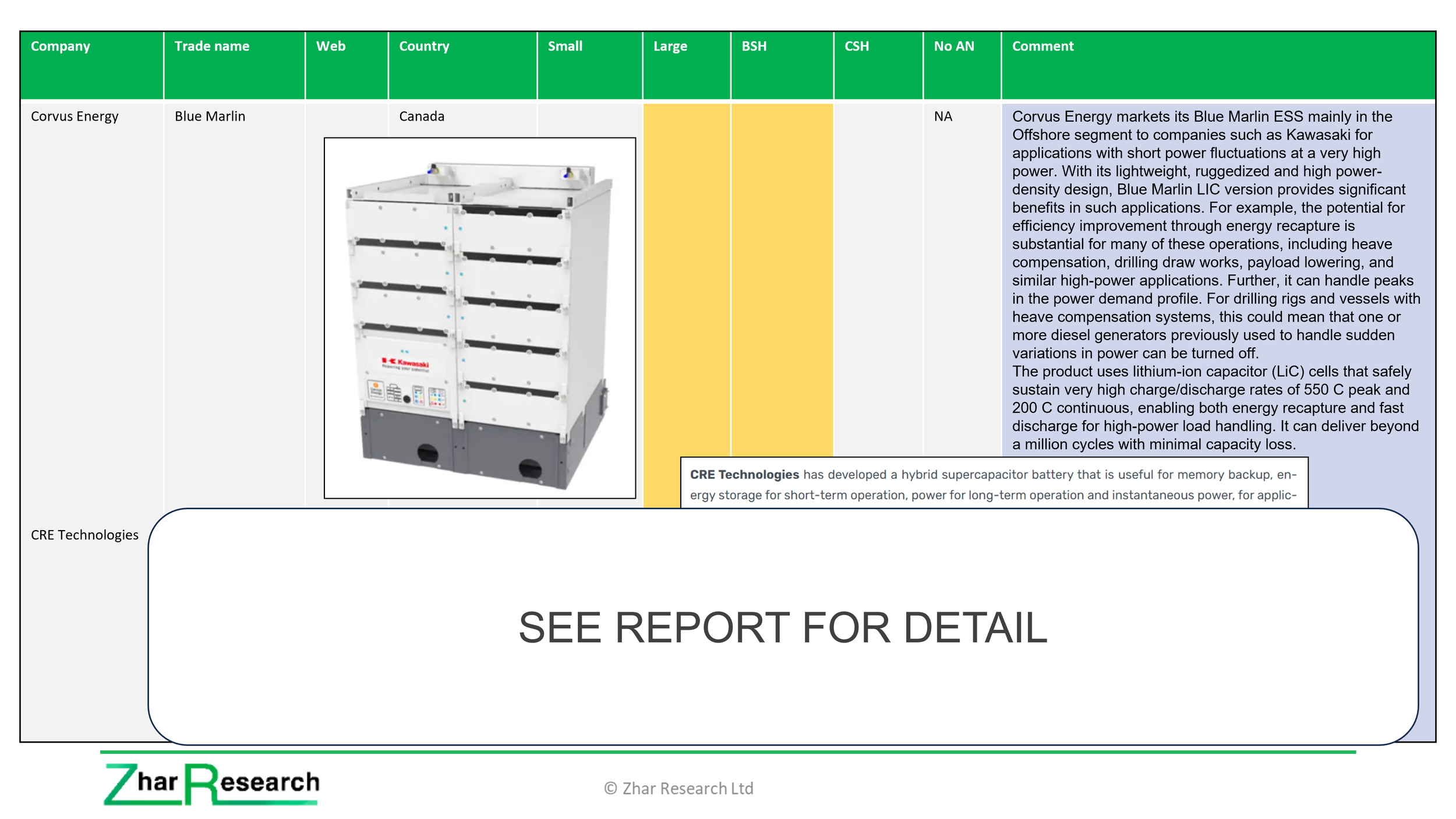
Chapter 12. “118 BSH (including LIC), supercapacitor, pseudocapacitor, CSH companies assessed in 10 columns and 112 pages” (118 pages) starts with detailed analysis of the total situation including by country, device sizes and other aspects. The listing includes those making allied products that may make BSH in the future.
Zhar Research report, “Lithium-ion capacitors and other battery supercapacitor hybrids: markets, technology, 2026-2046” is your essential portal to business success in supplying premium-priced materials and hardware and market leadership from using these new devices.